
Degradation for High-Strength Organic Wastewater
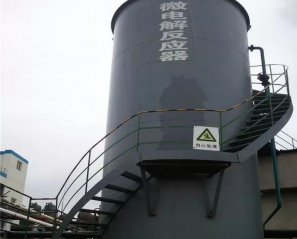
Our Iron Carbon Microelectrolytic Reaction Towers represent an advanced and highly effective solution for treating high-concentration organic wastewater streams. This innovative technology utilizes a high-efficiency, multi-component catalytic electrochemical oxidation filler in conjunction with supporting acid treatment equipment to create a powerful and self-sustaining reaction system. The core of the system's functionality lies in the inherent electrochemical potential difference generated within the oxidation filler itself as wastewater flows through it. This potential difference, ranging from 0.9 to 1.7V, establishes countless microscopic galvanic cells throughout the equipment. The wastewater acts as the electrolyte within these galvanic cells, driving an electrochemical treatment process. At the anode, oxidation reactions occur, while reduction takes place at the cathode. This continuous discharge at the anode and cathode surfaces leads to the efficient electrochemical degradation of organic matter present in the wastewater. This catalytic microelectrolysis technology offers a robust and often more environmentally friendly alternative to traditional chemical oxidation methods for tackling challenging industrial effluents. The self-driven electrochemical reactions effectively break down complex organic molecules, leading to significant improvements in wastewater quality. Key Applications Across Industries: Our Iron Carbon Microelectrolytic Reaction Towers have proven highly successful in treating wastewater from a variety of industries, including: Dye Industry: Achieves a substantial reduction in Chemical Oxygen Demand (COD) and effective removal of color-causing compounds. Chemical Industry: Effectively degrades a wide range of complex organic pollutants and removes heavy metals present in the effluent. Pharmaceutical Industry: Breaks down persistent pharmaceutical compounds and reduces overall organic load. Coking Industry: Treats highly contaminated coking wastewater, significantly lowering COD and removing hazardous substances. Petroleum Industry: Addresses the complex organic matrices present in petroleum refining wastewater, leading to significant COD reduction. Printing and Dyeing Wastewater: Demonstrates excellent decolorization capabilities and a noticeable reduction in COD levels. Leather Wastewater: Effectively removes color and substantially reduces the organic pollutant load. Electroplating Industry: Enables the efficient removal of various heavy metals from electroplating wastewater and rinse streams. Printing Industry: Treats wastewater containing inks and organic solvents, facilitating heavy metal removal. Mining Industry: Effectively removes heavy metals and other contaminants from mining wastewater. Other Wastewater Containing Heavy Metals: Provides a reliable solution for the removal of a broad spectrum of heavy metal ions. Factory practices have consistently demonstrated the efficacy of this technology in achieving significant COD reduction and the removal of heavy metals across these diverse industrial applications. This makes Iron Carbon Microelectrolytic Reaction Towers an ideal solution for industries seeking to meet stringent discharge regulations and implement more sustainable wastewater treatment practices.